
Difference Between Hot-Dip Galvanizing and Cold Galvanizing for Seamless Steel Pipes
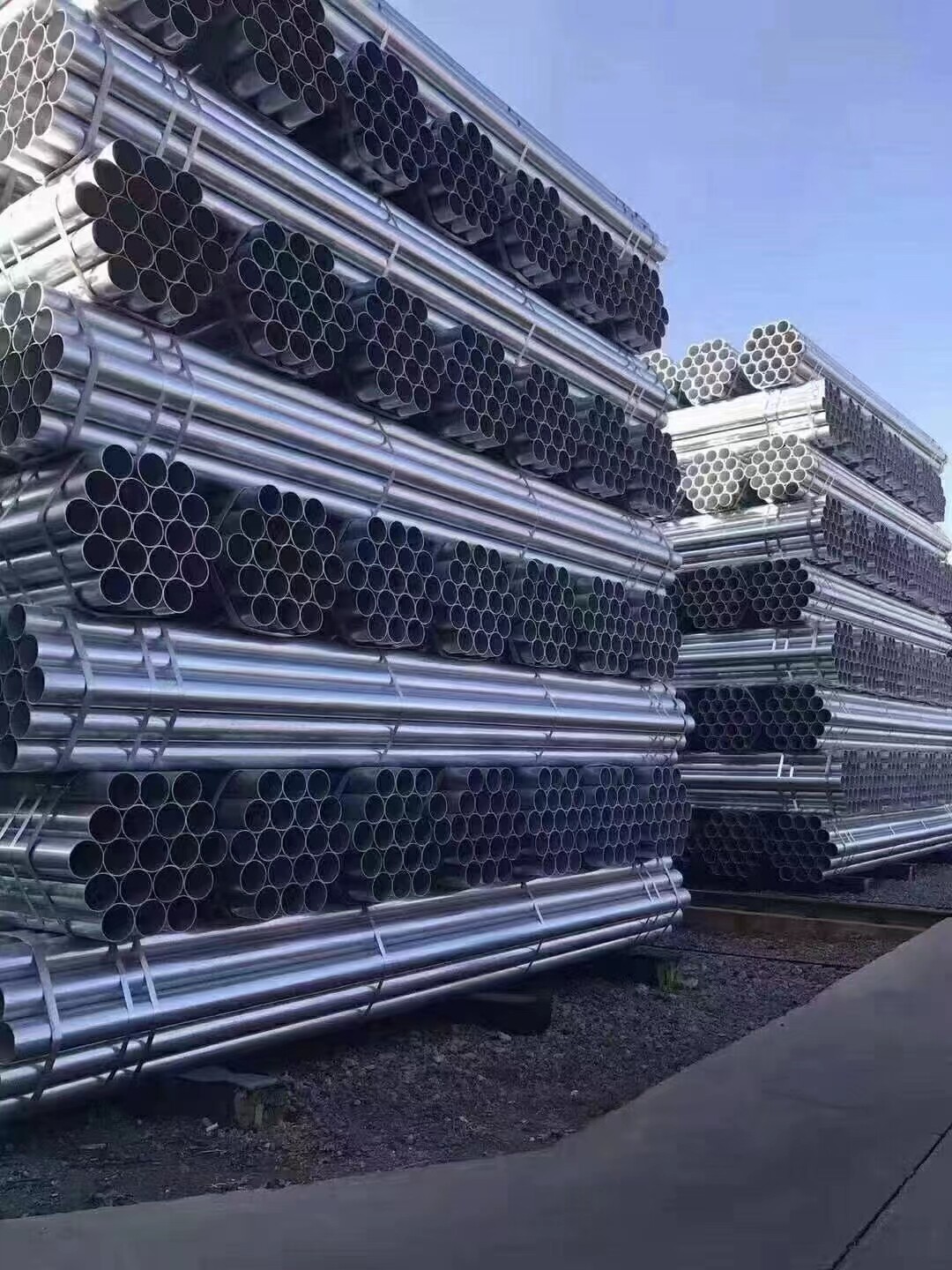
Key Differences Between Hot-Dip Galvanizing and Cold Dip Galvanizing (Electro-Zinc):
1. Completely Different Process Principles
Hot-Dip Galvanizing:
Steel is immersed in molten zinc at approximately 450°C. A metallurgical reaction occurs between the iron and zinc, forming a multi-layered alloy coating. The zinc layer is firmly bonded to the substrate.
Cold-Dip Galvanizing (Electro-Zinc):
At room temperature, electroplating is used: the workpiece serves as the cathode and the zinc plate as the anode. When power is applied, zinc ions deposit onto the steel surface. This is a physical adhesion process with no alloy layer formed.
2. Coating Thickness and Corrosion Protection Life (Maximum Difference)
- Hot-dip galvanizing: Zinc coating thickness 60-120μm; ideal for outdoor, coastal, and humid environments with up to 10-30 years of rust-free performance.
- Cold galvanizing: Zinc layer thickness 5-15μm; provides short-term rust protection only in dry indoor environments. Exposed outdoors, it rusts after 6 months to 2 years.
3. Adhesion, Impact Resistance, and Wear Resistance
- Hot-dip galvanizing: Iron-zinc alloy layer that resists peeling from impacts or bending, offering superior scratch and wear resistance.
- Cold galvanizing: The pure zinc coating is thin and easily chips or peels off with minor impacts or bending, exposing the base metal.
4. Appearance and Texture
- Hot-dip galvanizing: Matte silver-gray finish with visible zinc crystallization, slightly rough texture, and zinc buildup at edges that may result in minor nodules and burrs.
- Cold galvanizing: Bright, mirror-like silver finish with a smooth, delicate texture. High aesthetic appeal and precise dimensions.
5. Applicable Scenarios
Hot-dip galvanizing (Heavy-duty corrosion protection, industry standard)
Outdoor steel structures, steel pipes, guardrails, photovoltaic mounts, power transmission towers, pipelines, greenhouse frames, fasteners, bridge components, and coastal equipment.
Cold galvanizing (Indoor decoration/small precision parts)
Indoor hardware, small screws, decorative accessories, internal appliance components, and precision stamped parts. Not for outdoor use.
6. Cost and Processing Limitations
- Cost: Hot-dip galvanizing costs more for the same size.
- Size: Hot-dip galvanizing is limited by the zinc bath dimensions; oversized parts cannot be processed. Cold-dip galvanizing uses a smaller tank, making it ideal for batch processing of small parts.
- Steel Thickness: Thin-walled and thin-tube steel may deform during hot-dip galvanizing; small thin-walled parts are typically cold-dip galvanized.
7. Post-Processing Characteristics
- Hot-dip galvanizing: Weldable and cuttable, but cut edges must be treated with zinc paint to prevent rust. High coating hardness.
- Cold-dip galvanizing: High-temperature welding causes the zinc coating to evaporate and peel off, leading to widespread rust after welding. Not suitable for welded structural components.
Quick Selection Guide
Outdoor, load-bearing, long-term rust protection: requires welding → Hot-dip galvanizing
Indoor decoration with precision small parts: aesthetics only, no weather exposure → Cold-dip galvanizing
Simplified Comparison Table
Comparison Item: Hot-dip Galvanizing vs. Cold-dip (Electro) Galvanizing
Process: High-temperature zinc immersion metallurgical bonding; Room-temperature electrolytic adsorption
Zinc layer thickness: 60–120 μm | Thinness: 5–15 μm
Corrosion Resistance: Outdoors: 10+ years; Indoors: 1–3 years; Outdoors: highly prone to rusting
Adhesion: Extremely strong, impact-resistant; Weak, easily scratched off
Appearance: Matte with zinc crystallization; Bright and smooth
Weldability: Weldable. Cut edges require touch-up painting. Zinc layer peeling may cause weld failure.
Typical Applications: Steel pipes, supports, iron towers, railings; Indoor small hardware and decorative components