
Key Differences Between 2CrMo and 15CrMo Seamless Pipes
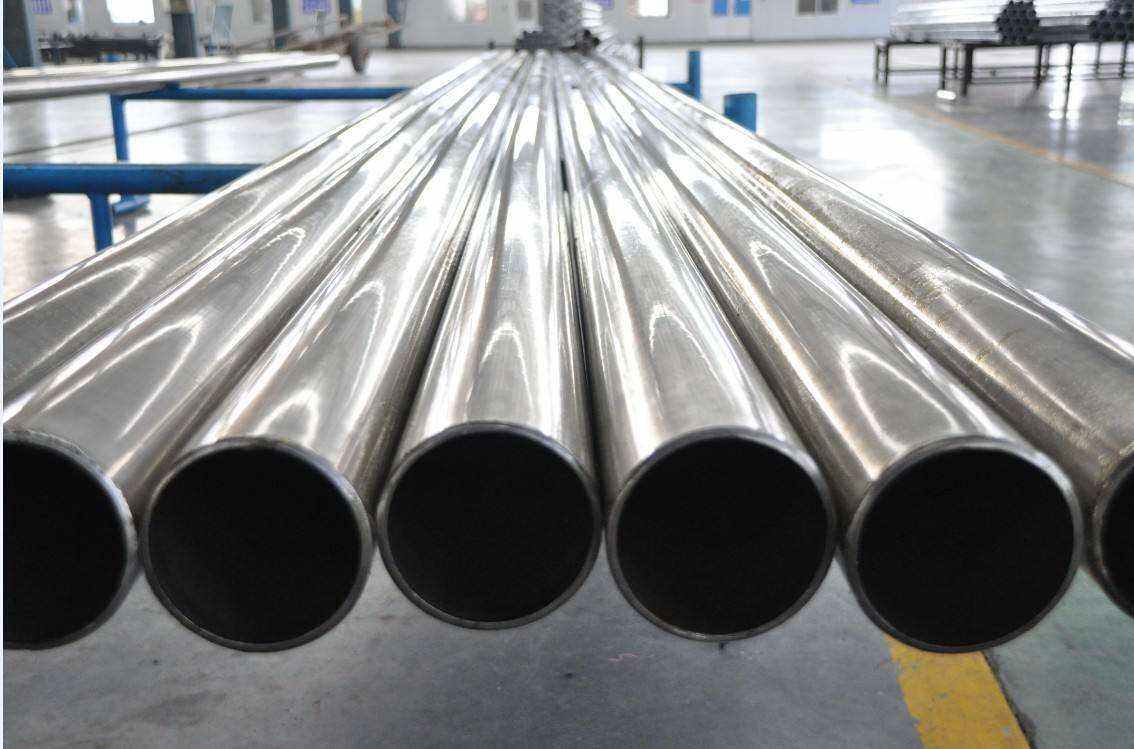
Key Differences Between 12CrMo and 15CrMo Seamless Pipes (For Procurement/Export)
Grades with the "G" suffix (12CrMoG, 15CrMoG)) are specialized boiler pipes (GB5310); those without it are general-purpose alloy pipes (GB6479/GB9948).
I. Chemical Composition (Key Difference, %)
Grade | C | Cr | Mo
--- | --- | --- | ---
12CrMo | 0.08–0.15 | 0.40–0.70 | 0.40–0.55
15CrMo | 0.12–0.18 | 0.80–1.10 | 0.40–0.55
Key Points:
1. 15CrMo has higher carbon content and approximately double the chromium content.
2. Molybdenum (Mo) content is essentially the same for both.
II. Performance Differences
1. Heat/Oxidation Resistance and Hydrogen Corrosion Resistance
- 15CrMo: Higher Cr content → Superior high-temperature oxidation and hydrogen corrosion resistance.
Maximum long-term service wall temperature: ≤550°C
- 12CrMo: Lower Cr content → Reduced upper limit for heat resistance.
Maximum long-term service wall temperature: ≤510°C
2. Strength
15CrMo exhibits slightly higher tensile strength (at room temperature) and high-temperature creep rupture strength compared to 12CrMo..
3. Weldability
12CrMo has lower carbon content, reducing the risk of cold cracking during welding;
15CrMo has stricter preheat and post-heat requirements during welding. III. Equivalent International Grades (Common in Foreign Trade)
- 15CrMo ≈ A213 T12 / A335 P12 / 1 3CrMo45 (EN Standard) / STBA22 (JIS Standard)
- 12CrMo: No direct equivalent in US standards; approximates low-chromium Cr-Mo steel.
IV. Application Scenarios (Key Selection Criteria)
12CrMo (Low Chromium, Low Carbon)
- Moderate temperatures and pressures
- Piping, heat exchangers, and low-to-medium temperature lines for petroleum cracking
- Applications requiring extensive welding and simplified welding procedures
- Not suitable for long-term use above 510°C
15CrMo (Higher Chromium, Superior Heat Resistance)
- High-pressure boiler superheaters and headers (15CrMoG)
- High-temperature, high-pressure piping for petroleum hydrogenation and ammonia synthesis (GB6479 fertilizer equipment piping)
- Long-term operating temperatures: 480–550°C
- Applications requiring resistance to high-temperature oxidation and hydrogen-induced corrosion
V. Quick Selection Guide
- Medium temperature ≤510°C, extensive welding, cost-sensitive → 12CrMo
- Medium temperature 510–550°C, high temperature/pressure, hydrogen corrosion resistance → 15CrMo
❗The two grades are not interchangeable. Use the specific grade designated in the design drawings. Substituting in high-temperature applications risks creep failure.